Aggregator Platforms Reveal Player Prop Edges in Esports While Stake Formulas Sustain Capital Stability
Parker Roth · Jul 16, 2026
Aggregator Platforms Reveal Player Prop Edges in Esports While Stake Formulas Sustain Capital Stability
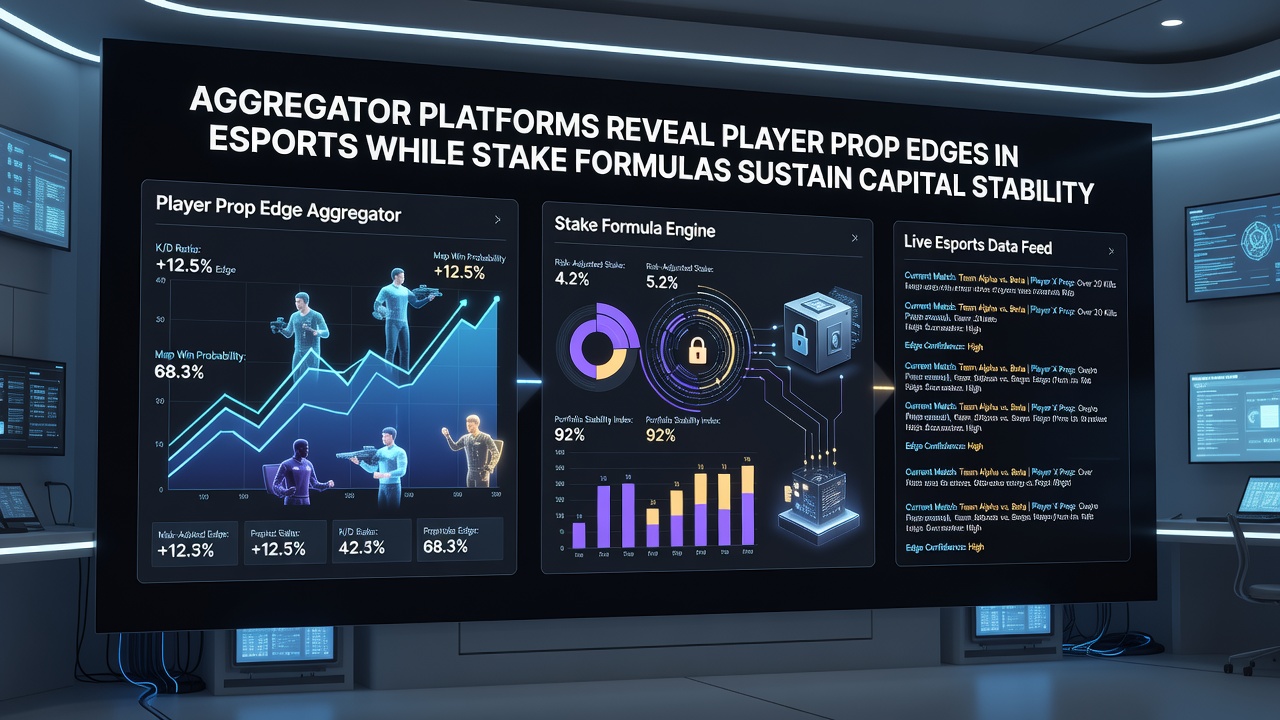
Esports betting markets have expanded rapidly in recent years, and aggregator platforms now compile odds from dozens of operators to surface discrepancies in player prop wagers such as kill totals, assist counts, and objective damage in titles like Counter-Strike 2 and League of Legends. These tools process live feeds and historical performance metrics, allowing systematic comparison of implied probabilities against statistical models derived from tournament data released through July 2026.
Aggregator Technology and Market Scanning
Operators integrate APIs that pull pricing across international books, then apply filters for liquidity thresholds and variance bands so alerts focus on propositions where the spread between the lowest and highest available lines exceeds a defined edge threshold. Research from the University of Sydney's gambling studies unit shows that such cross-book comparisons identify persistent mispricings in esports props more frequently than in traditional sports because roster changes and patch updates alter player statistics faster than oddsmakers can adjust.
Platforms also incorporate real-time event data from game servers, converting variables like headshot percentage or creep score per minute into projected prop outcomes. When multiple books post divergent totals on the same player's expected damage output, the aggregator flags the outlier and calculates the implied probability differential, which traders then evaluate against proprietary regression models before committing capital.
Player Prop Edges in Major Esports Titles
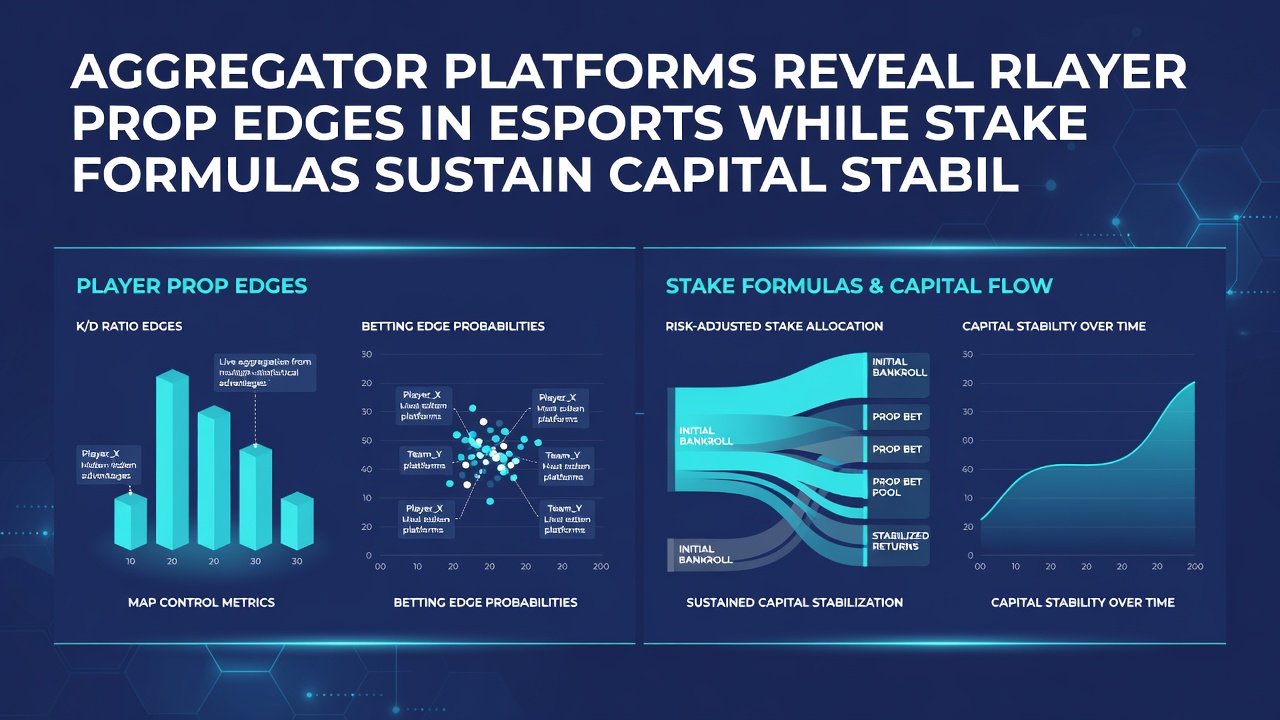
Player props in esports revolve around granular in-game statistics rather than final match results, creating a larger number of independent betting opportunities per contest. Aggregators track seasonal averages adjusted for opponent strength and map selection, revealing situations where one operator's line lags behind updated performance trends by several percentage points. Data compiled through mid-2026 indicates that kill-over props in first-person shooter titles exhibit the widest average discrepancies during regional qualifiers, where lower betting volume delays line movement compared with championship stages.
Those monitoring these markets note that edges appear most consistently when patch notes introduce balance changes that affect specific champion or agent pick rates, since historical samples used by slower books fail to reflect the new meta immediately. Aggregator alerts therefore prioritize matches featuring recently altered characters, supplying users with updated probability estimates derived from the first week of post-patch tournament results.
Stake Formulas and Capital Preservation
Proportionate staking systems, including variants of the Kelly criterion adapted for multi-outcome props, allocate wager sizes according to the calculated edge and the bettor's current bankroll. These formulas reduce exposure after losing streaks and increase allocation only when model confidence remains elevated, thereby limiting drawdown risk during periods when esports schedules cluster multiple high-variance events. Observers tracking professional syndicates report that operators using dynamic stake sizing maintained positive returns across the 2025-2026 season even as overall market margins tightened.
Fixed-percentage approaches complement Kelly methods by capping any single prop at a preset fraction of total capital, which prevents overexposure when aggregators surface simultaneous opportunities across several matches. Software tools integrate both the edge calculation from the aggregator and the current bankroll figure, outputting recommended stake amounts that users can execute directly through their chosen operator accounts.
Integration of Data Sources and Regulatory Context
Esports data providers supply cleaned match logs that feed into both aggregator algorithms and independent staking calculators, ensuring consistency between edge detection and position sizing. Australian regulatory filings from the Northern Territory Racing Commission document increased reporting requirements for platforms handling esports wagers, prompting operators to maintain detailed records of prop settlement methodologies through the first half of 2026.
Industry associations such as the Esports Integrity Commission have published guidelines encouraging transparent data sourcing, which in turn supports more reliable aggregator outputs. These standards help reduce disputes over prop outcomes and allow stake formulas to operate on verified statistics rather than contested figures.
Practical Application Across Tournaments
During the July 2026 international circuit, aggregators identified recurring value on support-player assist props in League of Legends matches where one region's bookmakers applied outdated weighting to vision score metrics. Bettors applying Kelly-adjusted stakes to these propositions reported steadier equity curves than those using flat sizing, because the formula automatically scaled positions downward when tournament volatility increased following group-stage upsets.
Similar patterns emerged in Valorant events, where duelist damage props showed systematic underpricing on certain maps. Stake calculators combined aggregator alerts with historical map-specific samples to generate allocation percentages that preserved capital across extended series, even when individual matches produced unexpected results.
Conclusion
Aggregator platforms continue to narrow the information gap between operators and bettors by surfacing player prop discrepancies across major esports titles, while stake formulas provide structured methods for managing exposure. The combination of real-time scanning and dynamic allocation supports consistent capital stability as tournament calendars evolve through 2026 and beyond.