Greyhound Trap Bias Adjustments: Integrating Live Data Aggregators for Stake Formula Refinements and Equity Preservation
Jakob Lorenz · Jul 12, 2026
Greyhound Trap Bias Adjustments: Integrating Live Data Aggregators for Stake Formula Refinements and Equity Preservation
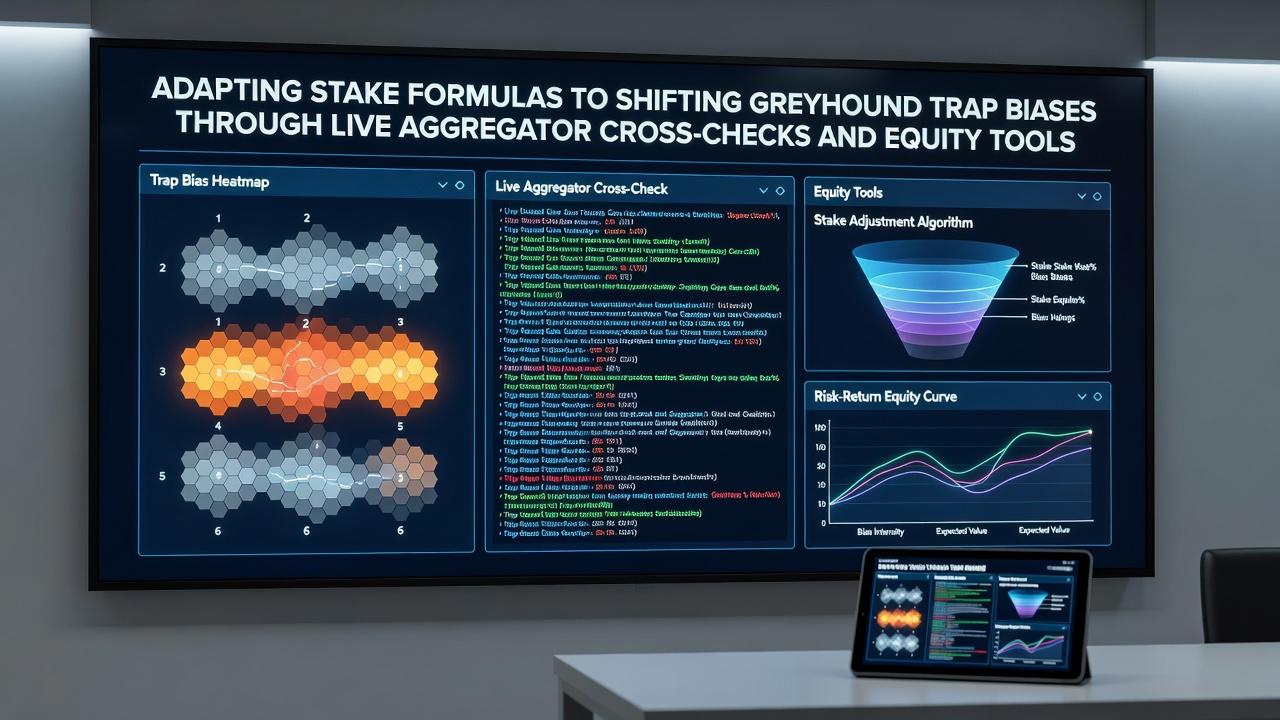
Track conditions at greyhound venues evolve throughout race meetings, and trap biases emerge when rail or outside paths deliver consistent advantages or disadvantages across multiple events. Data from timing systems and sectional splits reveal these patterns early, yet bettors who adjust stakes must account for shifts that occur between heats and finals. Aggregators pull real-time feeds from multiple bookmakers and exchange platforms, allowing cross-verification of implied probabilities against historical trap performance at each venue.
Recognising Dynamic Trap Biases in Greyhound Meetings
Biases arise from factors including track surface wear, wind direction, and rail positioning that changes between graded and open races. Studies from racing analytics providers show inner traps often outperform on tighter circuits while wider traps gain ground on straighter layouts. Observers note that these tendencies rarely remain static for an entire card, because maintenance crews may water or harrow sections between races, and temperature drops can alter grip levels.
Live monitoring tools compile trap-by-trap strike rates updated after every race, and these figures feed directly into probability models. When a bias strengthens or reverses mid-meeting, the updated percentages alter the expected value calculations that underpin stake sizing. Those who study this process recognise that ignoring the live adjustment loop leads to stake misalignment with current conditions.
Live Aggregator Cross-Checks and Data Integration
Aggregators consolidate odds from licensed operators across multiple jurisdictions, and they flag discrepancies that exceed normal market variance. Cross-check protocols compare these aggregated prices against venue-specific trap statistics refreshed every fifteen minutes. When the two datasets diverge beyond a defined threshold, the system highlights potential value or over-round inflation. Research published by equine and canine performance labs indicates that such divergence frequently coincides with bias acceleration, giving bettors a narrow window to recalibrate.
Equity tools sit alongside these feeds and calculate running bank percentages based on updated edge estimates. The tools apply variable multipliers that scale stakes according to both the revised probability and the remaining session bankroll. In practice, a trap that showed 28 percent historical strike rate may climb to 34 percent after three consecutive wins from that box, prompting the equity calculator to increase the recommended wager size while preserving a fixed risk percentage.
Refining Stake Formulas with Real-Time Inputs
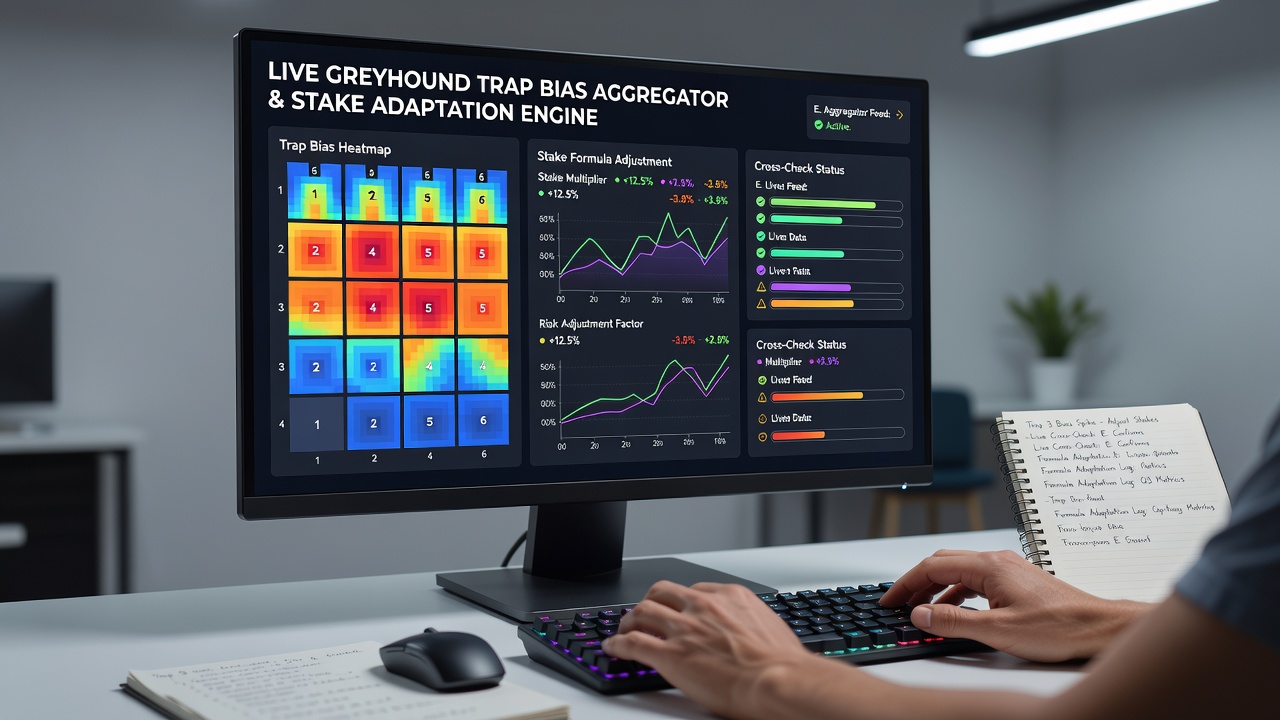
Traditional Kelly or fractional-Kelly formulas receive new inputs from aggregator outputs at each cross-check interval. The revised formula incorporates the latest bias multiplier, the updated implied probability, and a session volatility index derived from recent race margins. Bettors who apply this layered approach report that stake amounts fluctuate less dramatically than when using static historical averages alone.
One documented workflow involves pulling sectional data into a spreadsheet that automatically recalculates edge after every result, then feeding the output into a separate equity module that caps total exposure per trap. This separation prevents over-concentration even when multiple traps exhibit simultaneous advantages. Figures from Australian wagering operators reveal that meetings with pronounced bias shifts produce wider spreads in final payouts, underscoring the need for dynamic sizing rather than fixed unit bets.
Equity Maintenance Across Shifting Conditions
Equity preservation modules enforce drawdown limits that tighten when bias signals weaken or when aggregator consensus narrows. In July 2026, several international platforms introduced mandatory volatility buffers that automatically reduce stake recommendations once intra-meeting variance exceeds preset thresholds. These buffers operate independently of user-defined settings and draw on pooled performance data from comparable tracks worldwide.
Operators in jurisdictions overseen by the Malta Gaming Authority and the New Jersey Division of Gaming Enforcement have published compliance notes that require transparent logging of automated stake adjustments. The logs allow regulators to verify that tools remain within responsible gambling parameters while still permitting data-driven refinements. Those who implement the combined aggregator-equity stack therefore maintain audit trails that satisfy both operational and regulatory requirements.
Conclusion
Greyhound trap bias adaptation relies on continuous data flow between live aggregators and equity calculators that together update stake formulas throughout a meeting. Cross-check protocols identify meaningful probability shifts, while equity modules enforce proportional sizing that respects current bankroll constraints. As regulatory frameworks in multiple regions continue to emphasise transparency, the integration of these tools provides documented, auditable processes that align stake decisions with observed track dynamics.